


Menu

Mendel Research Institute and Hospital

Cryonic Resuscitation Procedure – Summary Overview (Fictional Research, 2167)

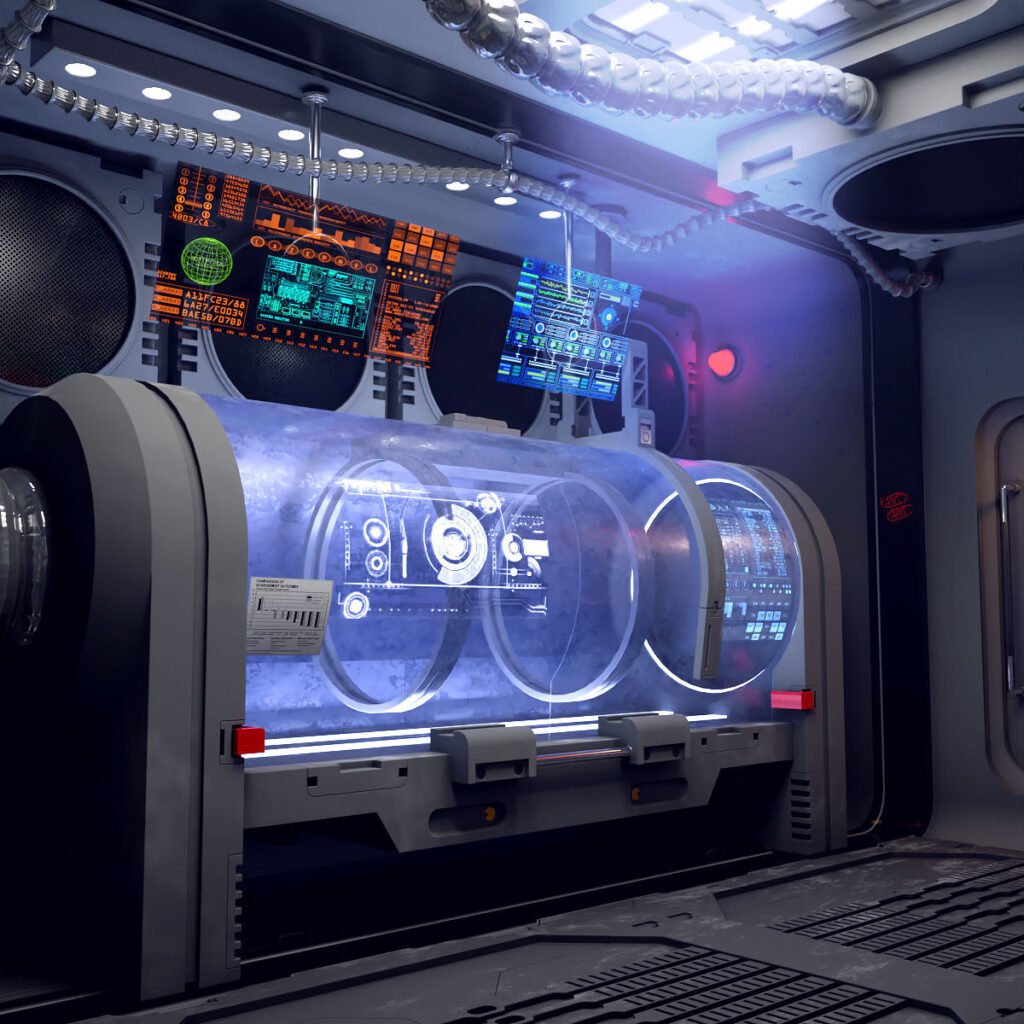
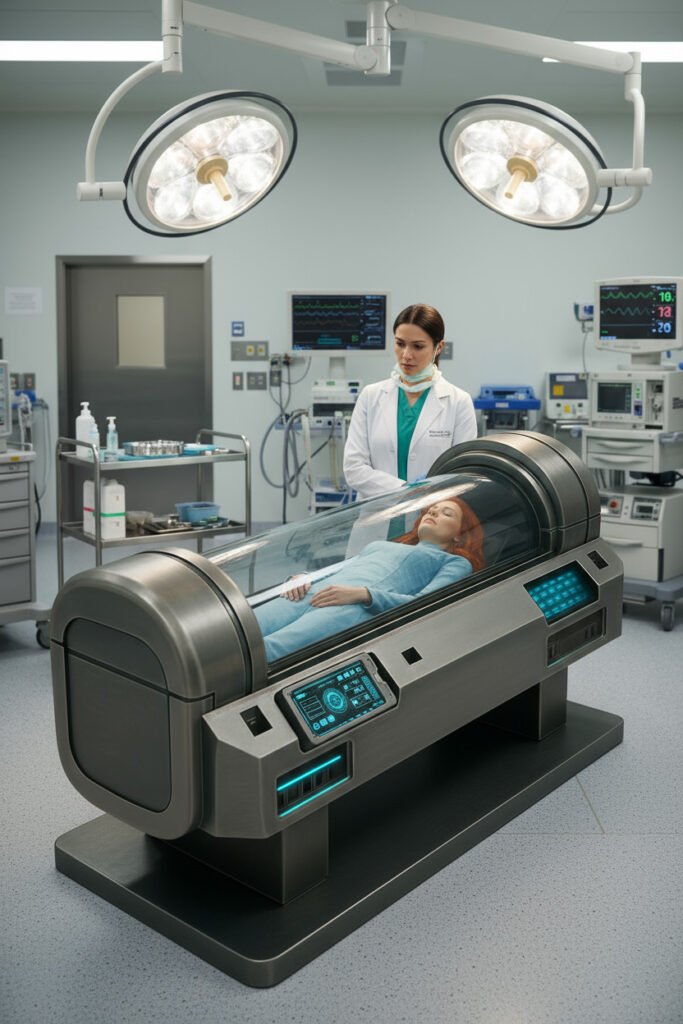
The Cryonic Resuscitation Procedure, developed by Dr. Michelle Brown at the Mendel Research Institute, represents the first fully integrated attempt to revive a human preserved for more than a century. Combining xenon clathrate cryoprotection, nanoparticle thermal regulation, and multi‑phase nanite repair systems, the protocol outlines a complete pathway from deep cryogenic stasis to biological and cognitive restoration.

Mendel Research Institute and Hospital


This summary provides a high‑level view of the procedure and capsule engineering. Readers may access the full technical submission for detailed scientific modelling, phase breakdowns, nanite specifications, and legal framework documentation.

Purpose of the Procedure

The project aims to reanimate Maryanne Kendricks, cryopreserved 133 years earlier under xenon‑clathrate pressure conditions. Her preservation profile makes her an ideal candidate for the first human‑level revival trial.

The broader objective is to establish a viable, repeatable cryo‑resuscitation protocol suitable for:

  • Long‑duration spaceflight
  • Generational travel
  • Emergency medical stasis
  • Interplanetary colonisation
Mendel Research Institute and Hospital

🔬 SCIENTIFIC FOUNDATIONS — ICONS & TEXT

The project aims to reanimate Maryanne Kendricks, cryopreserved 133 years earlier under xenon‑clathrate pressure conditions. Her preservation profile makes her an ideal candidate for the first human‑level revival trial.

The broader objective is to establish a viable, repeatable cryo‑resuscitation protocol suitable for:

  • Long‑duration spaceflight
  • Generational travel
  • Emergency medical stasis
  • Interplanetary colonisation


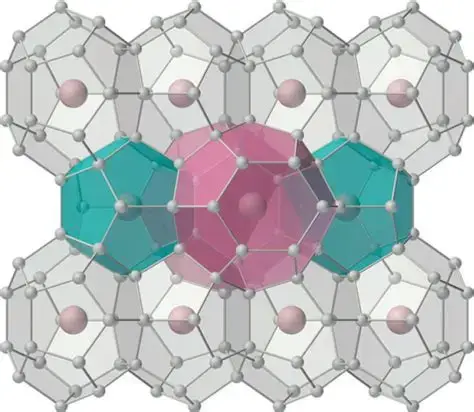
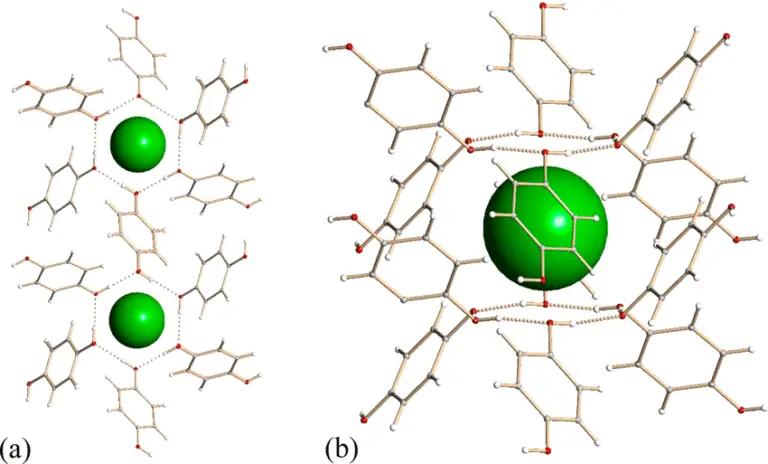
Xenon Clathrate Cryoprotection

Pressure-stabilized xenon lattices protect cells from ice and membrane rupture.

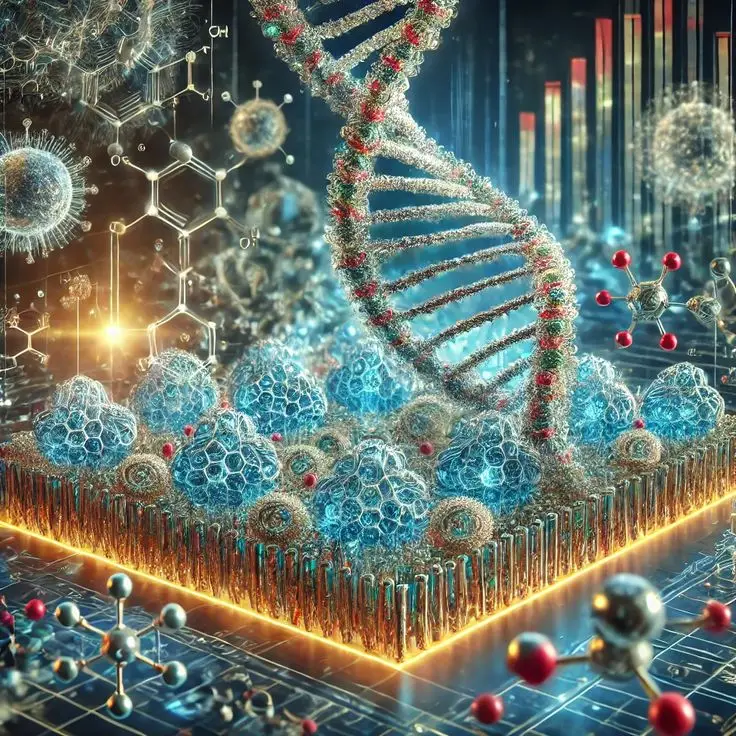
Xenon clathrate hydrates form crystalline cages around water molecules, stabilizing cellular membranes and suppressing ice formation at cryogenic temperatures. Under pressures up to 6 atm, these lattices remain intact between −100°C and −150°C, dramatically reducing structural damage during long-term preservation.

Nanoparticle Thermal Regulation

Nanoparticles create even cooling and thawing, preventing thermal shock.

Gold, silica, and graphene oxide nanoparticles enhance thermal conductivity throughout tissues, ensuring uniform cooling and thawing. By eliminating thermal gradients, they prevent localized ice formation and reduce cryogenic stress, enabling controlled devitrification during Phase 1 of reanimation.

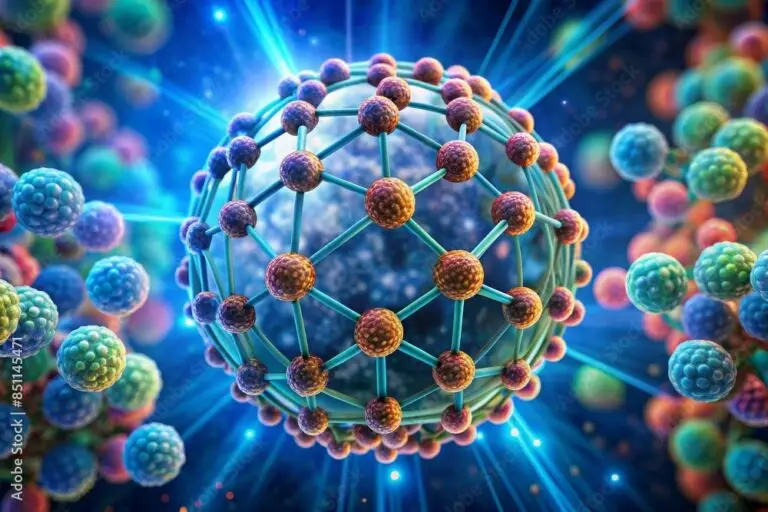
Multi‑Phase Nanite Repair Systems

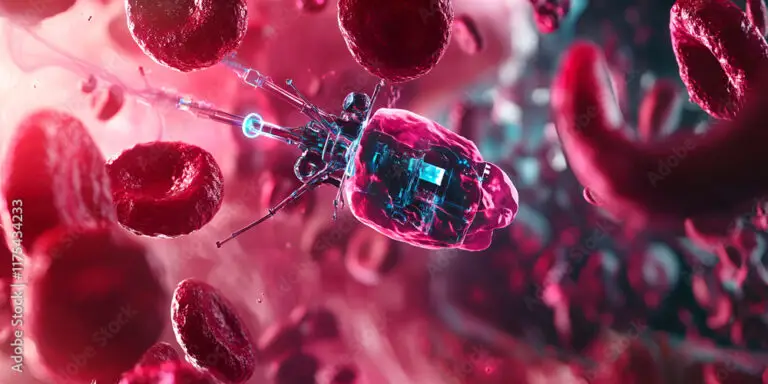
Nanites repair cells, restore DNA, and eliminate malignancies during revival.

Three classes of nanites operate sequentially during reanimation: cyto‑plasmic nanites repair membranes and detoxify tissues; epigenetic nanites restore DNA integrity and detect malignancy; anti‑neoplastic nanites eliminate existing cancerous cells and cryogenic-induced cancer risk. All nanite activity is synchronized by Holi AI for precise cellular integration.

Magnetic Field Stabilization

Nanites repair cells, restore DNA, and eliminate malignancies during revival.

Superconducting coils generate uniform magnetic fields that stabilize thawing gradients and guide nanite navigation. This prevents thermal turbulence and ensures synchronized organ revival during Phase 1 and Phase 3.

Mendel Research Institute and Hospital

Cryonic Resuscitation – Registered Procedure #2169‑0125

The Cryonic Resuscitation Procedure unfolds across six tightly controlled phases, each governed by Holi AI and regulated under AASID Regulation 0028. The following timeline outlines the complete revival sequence from deep cryogenic stasis to stabilized recovery.


Six‑Phase Revival Protocol

Phase 1
Rapid Thaw / Warming
Phase 1 – Rapid Thaw / Warming

Starting Point:

  • Cryo‑pod at 6 atm (synchronised reduction to 2 atm at finish)

  • Temperature 77 K

Process: Nanoparticles suspended in cryoprotectant distribute thermal energy uniformly as Holi AI modulates heating vectors. A controlled magnetic field prevents thermal gradients and structural stress during thawing.

Finishing Point:

  • Devitrification at –3°C

  • Cryoprotectant 95% liquid

PHASE 2
Infusion & Aspiration
PHASE 2 — Infusion & Aspiration


Starting Point:

  • Cryo‑pod pressure reduced to 2 atm

  • Temperature rising toward 0°C

Process: At 0°C, Holi AI synchronizes two simultaneous actions:

  1. Plasma infusion

  2. Cryoprotectant aspiration

Pressure is maintained to preserve the xenon‑oxygen clathrate lattice, preventing cellular collapse during fluid exchange. Stage One nanite delivery begins: Cyto‑plasmic nanites restore membrane integrity, correct osmotic imbalances, and detoxify residual cryoprotectant.

Finishing Point:

  • Normal cellular osmotic tolerances achieved

  • Plasma infusion completed

  • Cryoprotectant largely removed

 
PHASE 3
Reanimation
PHASE 3 — Reanimation


Starting Point:

  • Body temperature continues rising

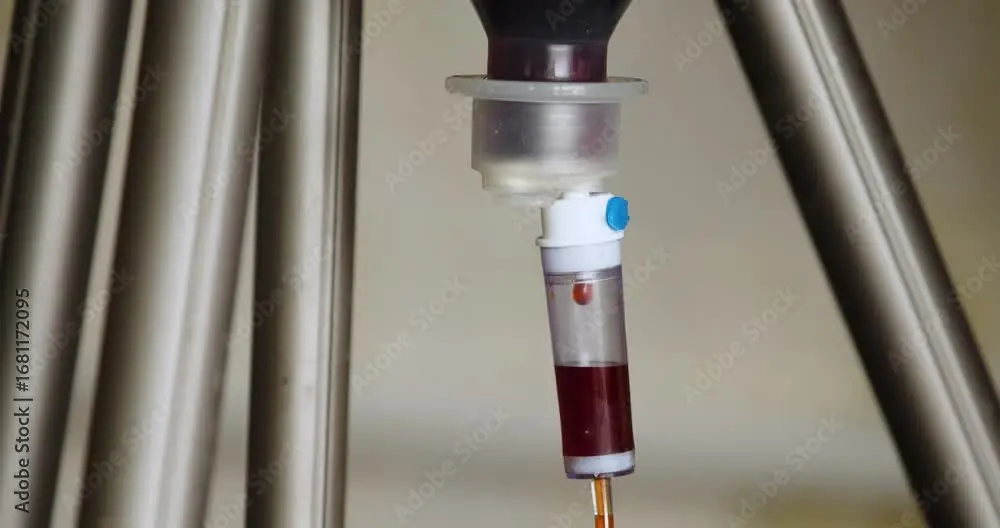
  • Haemoglobin transfusion initiated

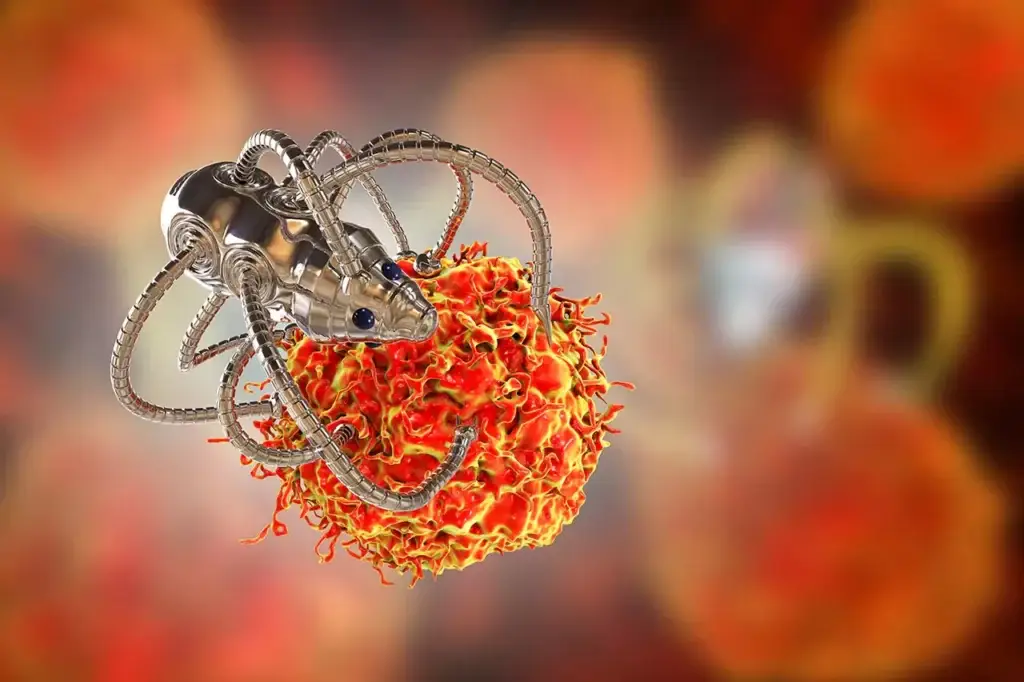
Process: Upon reaching 20% haemoglobin transfusion, Stage Two nanite delivery begins: Nu‑bots / Epigen‑nanites repair biomechanical structures, restore DNA nucleotide integrity, and identify cancerous artefacts.

Clathrate dissolution is synchronized with the final stages of cryoprotectant dialysis. Pressure is reduced to 1 atm, temperature increased to 23°C, ensuring safe diffusion of remaining cryoprotectant.

Finishing Point:

  • Cryoprotectant aspiration completed

  • Arterial and extracellular pressure supports full diffusion

  • Foundational biochemical stability achieved
 
PHASE 4
Treatment
PHASE 4 — Treatment

Starting Point:

  • Mean body and cellular temperature 30°C

  • Autonomous cell function achieved

  • 90% haemoglobin transfusion complete

Process: Stage Three nanite delivery begins: Anti‑neoplastic nanites target malignancies, tumours, neoplasms, and repair damaged cells.

Neurological and cellular markers begin returning:

  • Cardiomyocytes show nominal ATP production via mitochondrial oxidative phosphorylation

  • Early neurological activity detected

  • Astrocytes, oligodendrocytes, and microglial cells demonstrate normal nerve signal propagation and synaptic action

Finishing Point:

  • Foundational neurological activity present

  • Cellular systems functioning at stable, autonomous levels

  • Body prepared for resuscitation


PHASE 5
Resuscitation
PHASE 5 — Resuscitation

Starting Point:

  • Body temperature 32°C

  • 95% normal cell function achieved

  • Resting membrane potential restored

  • Nominal electrical field presentation detected

Process: Neurotransmitter regulation increases gradually, with motor and sensory signals rising in parallel. Holi AI maintains controlled escalation to support nominal neurological function and emerging consciousness.

Medical staff initiate:

  • Drug regime

  • Electro‑cardiac resuscitation

Finishing Point:

  • Subject successfully resuscitated

  • Subject placed into medically induced coma for stabilization

  • Full systemic revival achieved

 
PHASE 6
Recovery
PHASE 6 — Recovery

Starting Point:

  • Stable vitals

  • Cellular integrity within nominal temperature and functional ranges

Process: Continuous monitoring of:

  • Cellular integrity

  • Biochemical response

  • Neurological activity

Vitals are maintained for 36 hours, ensuring safe reintegration of metabolic and neurological systems.

Finishing Point:

  • Subject achieves stable post‑resuscitation homeostasis

  • Ready for staged awakening and cognitive reintegration protocols

  • Revival procedure complete

 
Mendel Research Institute and Hospital

Legal & Ethical Framework

Regulatory compliance governing Cryonic Resuscitation – Procedure #2169‑0125

Body Content:

AASID Regulation 0028 (2158):


Control of Organic Compounds in Bio‑medical Research This regulation defines the legal conditions under which cryogenically preserved organic matter may be manipulated, revived, or reanimated. It mandates continuous biometric monitoring, full procedural logging, and AI‑assisted compliance verification. Cryonic Resuscitation may only commence once all AASID‑required conditions are met, including identity verification, consent validation, and institutional oversight.

Cryonic Preservation Act (CPA – Revised 2138):

The CPA establishes ethical boundaries for post‑revival autonomy, identity continuity, and psychological stabilization. It requires a mandatory 72‑hour cognitive stabilization period following resuscitation, during which the revived subject is monitored for neurological coherence and emotional equilibrium logging, and AI‑assisted compliance verification. Cryonic Resuscitation may only commence once all AASID‑required conditions are met, including identity verification, consent validation, and institutional oversight.

International Bioethics Council Oversight:

The Mendel Research Institute operates under the supervision of the International Bioethics Council, ensuring transparency, humane treatment, and ethical compliance throughout all phases of revival. Holi AI provides real‑time ethical auditing, ensuring that all actions remain within approved parameters.


Statement:

“Cryonic Resuscitation preserves identity through engineered biological continuity, not through metaphysical intervention.”

 
Mendel Research Institute and Hospital

Explore Dr Brown's Full Submission

Dive deeper into the science, ethics, and engineering behind Cryonic Resuscitation.


The full technical submission includes detailed schematics, AI control algorithms, nanite specifications, clathrate pressure tables, and ethical compliance documentation. It represents the culmination of decades of research into molecular preservation, identity continuity, and engineered biological revival.